
Maa Baglamukhi Upasana
The Supreme Mahavidya of Stambhana Shakti
Maa Baglamukhi is revered in the Mahavidya Sampradaya as the eighth of the Dasha Mahavidyas, the ten supreme manifestations of Adi Parashakti. In the Tantric tradition, She is worshipped as the embodiment of Stambhana Shakti—the Divine Power that restrains negativity, stills harmful forces, and grants clarity, courage, and spiritual steadiness to sincere devotees.
Numerous Tantric traditions, including the Rudrayamala Tantra, Mantra Maharnava, Tantrasara, Shakta Tantra traditions, and later ritual manuals of the Mahavidya lineage, describe the worship of Maa Baglamukhi as a sacred discipline undertaken with devotion, purity, and the guidance of a realised Guru. In these traditions, the Goddess is invoked as the remover of obstacles and the protector of Dharma.
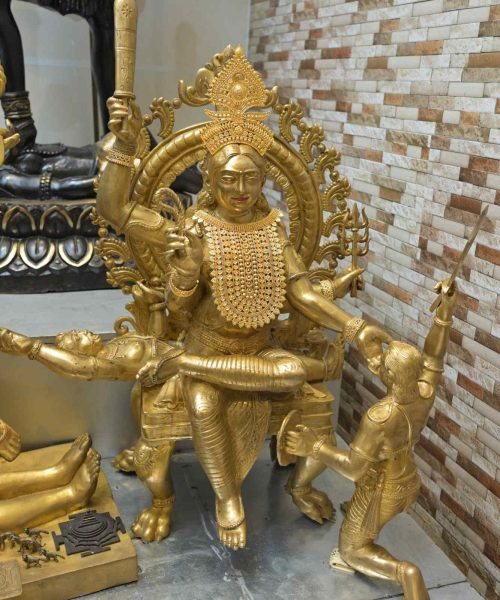
Why Devotees Worship Maa Baglamukhi
Throughout India, devotees offer prayers to Maa Baglamukhi seeking Her blessings for:
- Protection from visible and invisible obstacles.
- Strength during litigation, disputes, and difficult circumstances.
- Relief from adverse influences and negative energies.
- Courage to overcome fear, opposition, and uncertainty.
- Wisdom in speech, confidence, and righteous victory.
- Prosperity, stability, and success earned through Dharma and sincere effort.
- Spiritual advancement through disciplined Sadhana.
In the Tantric understanding, the greatest enemy is ultimately one’s own ignorance, fear, uncontrolled speech, anger, attachment, and ego. Maa Baglamukhi is worshipped to help restrain these inner obstacles while seeking Divine protection from external adversity.
The Sacred Tradition of Gupt Sadhana
Throughout India, devotees offer prayers to Maa Baglamukhi seeking Her blessings for:
- Protection from visible and invisible obstacles.
- Strength during litigation, disputes, and difficult circumstances.
- Relief from adverse influences and negative energies.
- Courage to overcome fear, opposition, and uncertainty.
- Wisdom in speech, confidence, and righteous victory.
- Prosperity, stability, and success earned through Dharma and sincere effort.
- Spiritual advancement through disciplined Sadhana.
In the Tantric understanding, the greatest enemy is ultimately one’s own ignorance, fear, uncontrolled speech, anger, attachment, and ego. Maa Baglamukhi is worshipped to help restrain these inner obstacles while seeking Divine protection from external adversity.
Worship at Gupt Sadhana
At Gupt Sadhana, Maa Baglamukhi is worshipped according to traditional Vedic and Tantric principles with devotion and scriptural discipline. The temple performs prayers for the welfare of devotees, invoking the blessings of the Divine Mother for protection, peace, spiritual upliftment, and the removal of obstacles.
The temple maintains the sanctity of traditional worship and honours the ancient customs of the Mahavidya lineage.
General Procedure of Baglamukhi Worship
The following represents the customary public framework of worship. Specific Tantric procedures remain initiation-based.
- Personal purification through bathing and mental preparation.
- Worship of Lord Ganesha and Guru, followed by Sankalpa (sacred intention).
- Invocation of Maa Baglamukhi with devotion.
- Offering of yellow flowers, turmeric (Haridra), yellow garments where appropriate, incense, lamp, sandalwood, fruits, and Naivedya.
- Chanting of approved hymns, stotras, and publicly available mantras according to one’s tradition.
- Silent meditation upon the Divine Mother.
- Arati, prayers for universal welfare (Lokakshema), and distribution of Prasada.
Advanced practices such as mantra purashcharana, yantra installation, nyasa, homa, mudras, kavacha, and other esoteric Tantric rites are traditionally performed only under the direct guidance of an authorised Guru.
A Sacred Invitation
In today’s world, where uncertainty, conflict, and stress affect countless lives, many devotees seek refuge in the Divine Mother through sincere prayer and disciplined spiritual practice.
If you wish to participate in traditional worship, offer your prayers, or learn about authentic Baglamukhi Upasana within the limits of scriptural tradition, Gupt Sadhana welcomes sincere seekers with faith, humility, and respect for the sacred Guru–Shishya Parampara.
॥ ॐ ह्लीं बगलामुख्यै नमः ॥
May Maa Baglamukhi bless every sincere devotee with protection, courage, wisdom, righteous success, inner peace, and the strength to overcome every obstacle on the path of Dharma.
Personal Purification (Ātma Śuddhi)
- Wake during Brahma Muhurta or perform the puja during an auspicious morning or evening time.
- Bathe and wear clean yellow clothes.
- Maintain physical and mental purity.
- Observe truthfulness and avoid anger before worship.
Prepare the Altar
Place on a clean yellow cloth:
- Image or murti of Maa Baglamukhi
- Ghee lamp
- Incense
- Yellow flowers
- Turmeric powder
- Kumkum
- Sandalwood paste
- Fruits
- Sweets (especially besan laddoo or boondi)
- Coconut
- Betel leaves and nuts (optional)
- Clean water in a kalasha
- Bell
Light the Lamp
Light the ghee lamp and incense while praying for the removal of darkness and ignorance.
Invoke Lord Ganesha
Offer flowers and pray to Lord Ganesha to remove obstacles before beginning the worship.
Sankalpa (Statement of Intention)
With folded hands, state your intention, such as:
“I perform this worship of Maa Baglamukhi with devotion, seeking her blessings for protection, wisdom, righteous success, and the removal of obstacles.”
Dhyāna
Meditate on the golden form of Maa Baglamukhi seated on a throne, holding a mace and symbolizing the stilling of negativity and harmful influences.
Offerings (Upacharas)
Offer, one by one:
- Water
- Yellow flowers
- Turmeric
- Sandal paste
- Kumkum
- Incense
- Lamp
- Fruits
- Sweets
- Naivedya (food offering)
Offer each with devotion rather than haste.
Chanting
Recite Baglamukhi stotras, the 108 names (Aṣṭottara Śatanāmāvalī), or other publicly available hymns according to your tradition. Chant with concentration and reverence.
Silent Prayer
Spend a few minutes in silence, praying for:
- Protection from injustice
- Strength to overcome inner weaknesses
- Clear speech
- Wisdom
- Courage
- Success in righteous endeavours
- Peace for all beings
Ārati
Perform ārati with a lamp while singing a Baglamukhi ārati or offering a simple prayer of gratitude.
Prasāda
Offer the food to the Goddess and then distribute it respectfully as prasāda among family members or devotees.
Closing Prayer
Conclude by expressing gratitude and asking forgiveness for any mistakes made during the worship.
Traditional Colour Associations
- Colour: Yellow
- Flowers: Yellow marigold, yellow lotus (if available)
- Offerings: Turmeric, gram flour sweets, bananas, coconut
- Lamp: Cow ghee
- Direction: Many traditions recommend facing east or north for general worship.
Offer Your Devotion at the Gupt Upasana Temple
“Patraṁ Puṣpaṁ Phalaṁ Toyaṁ Yo Me Bhaktyā Prayacchati…”
“Whoever offers Me with devotion a leaf, a flower, a fruit, or water, I lovingly accept that offering.”
— Bhagavad Gita 9.26
Every sincere offering made with faith and humility is considered an expression of devotion. At the Gupt Upasana Temple, devotees from around the world can participate in sacred worship by offering flowers, fruits, puja samagri, and supporting the daily seva of Maa Baglamukhi.
Offerings You Can Sponsor
 Fresh Yellow Flowers (Pushpa Seva)
 Seasonal Fruits (Phala Seva)
 Coconut Offering
 Ghee for Akhand Deep (Eternal Lamp)
 Turmeric (Haridra) Offering
 Sweets (Naivedya)
 Sacred Cloth (Vastra Seva)
 Complete Puja Samagri
 Temple Annadan (Food Offering)
 Daily Temple Seva
How Your Offering Is Performed
Every offering received is respectfully placed before Maa Baglamukhi by the temple priest during the scheduled worship.
The seva generally includes:
- Invocation prayers
- Offering of flowers and fruits
- Lighting of the sacred lamp
- Incense offering
- Devotional prayers
- Blessings for the devotee and their family
Each offering is made with sincerity and according to the temple’s daily worship tradition.
|| ॐ ह्लीं बगलामुख्यै नमः ||
Visitors Guideline
- Entry into the inner Gupt Mandir is strictly prohibited for general visitors.
- Public darshan of Mahakal and Mahakali is available in the open section of the temple.
- Contact Gupt Upasana through mail for information concerning puja, sankalpa and devotional offerings.