Bhūta–Preta–Piśācha Vadha Niṣpatti Pūjā
The Tantric traditions of Śākta and Śaiva worship describe various rituals dedicated to purification (śuddhi), protection (rakṣā), removal of obstacles (vighna-nivṛtti), and the pacification of disturbing subtle influences (bhūta, preta, and piśācha). Such rituals are traditionally performed only under the guidance of a qualified Guru while observing strict scriptural discipline.
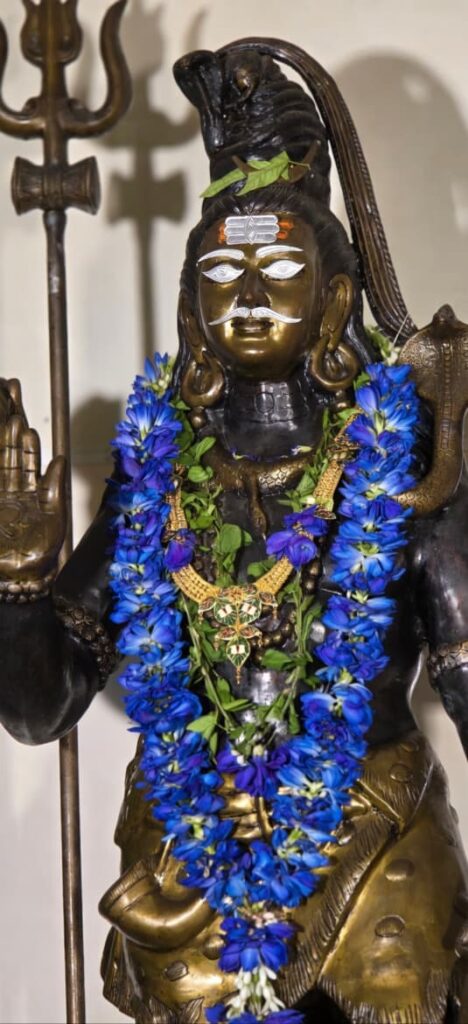
At Gupt Upasana, these sacred rituals are offered through the combined worship of:
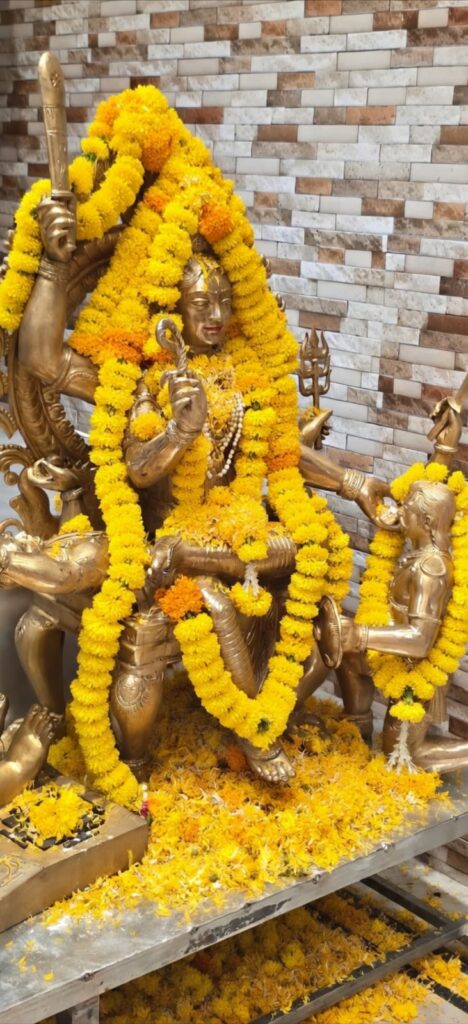
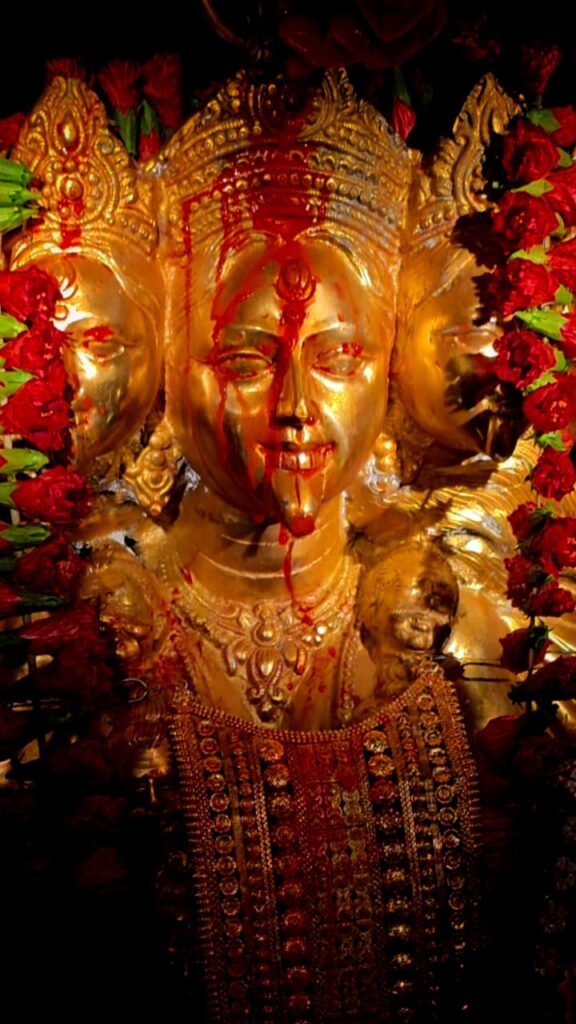
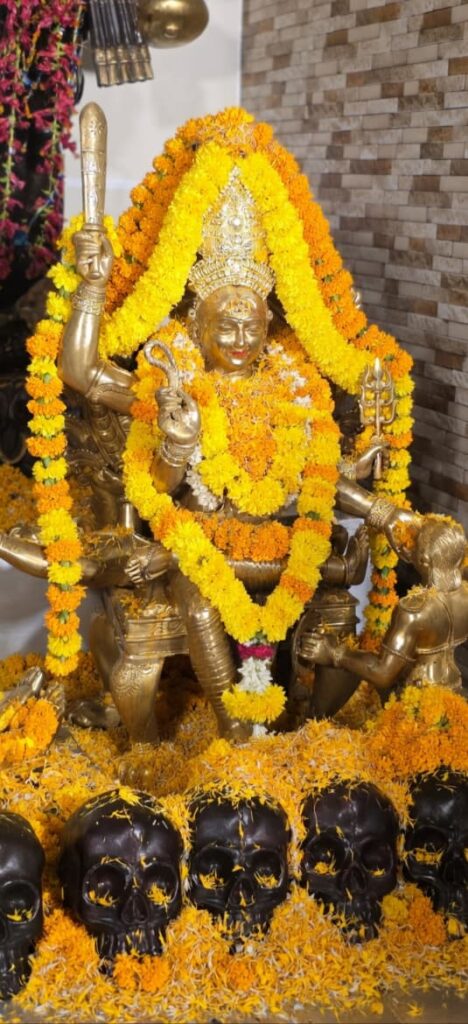
- Maa Bhairavī – the fierce Mahāvidyā who represents the transformative power of Divine Shakti and the destruction of fear and ignorance.
- Lord Kāla Bhairava – the Kṣetrapāla (Guardian of Sacred Space), revered in numerous Tantric traditions as the protector of devotees and remover of unseen obstacles.
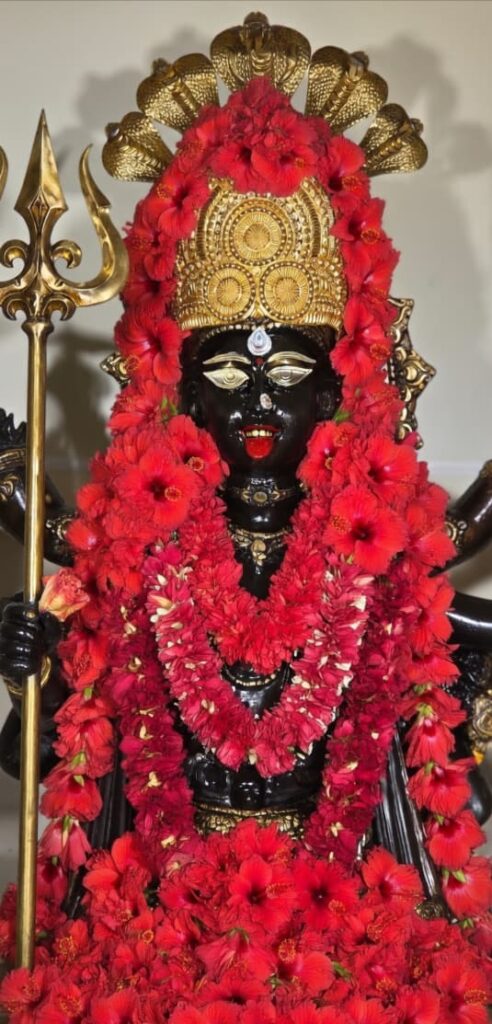
- Maa Tārā – the second Mahāvidyā, worshipped as the compassionate saviouress who guides devotees across danger, fear, and spiritual darkness.
- Maa Baglamukhī – the eighth Mahāvidyā, invoked for Stambhana (stilling or restraining harmful forces), protection from adversity, and victory over hostile influences.
- Ekādaśa-Mukha Hanuman (11-Head Hanuman) – traditionally revered as a powerful form embodying courage, devotion, protection, and the destruction of negative influences.
- Lord Śanideva – worshipped for discipline, karma, endurance, and seeking relief from the challenging effects traditionally associated with Saturn through devotion and righteous conduct.
Tantric Scriptural Basis
The worship of these deities is rooted in the broader corpus of Tantric literature, including traditions preserved in texts such as:
- Rudrayāmala Tantra
- Tantrasāra
- Mahānirvāṇa Tantra
- Kularṇava Tantra
- Bhairava Tantras
- Tārā Tantra
- Bagalāmukhī Tantra
- Śāradā Tilaka Tantra
These texts emphasize that Tantric worship is a sacred discipline requiring mantra, nyāsa, yantra, mudrā, homa, and Guru-guided initiation where prescribed. Authentic Tantra is regarded as a path of self-discipline, devotion, and spiritual transformation rather than a means of instant results.
Rituals Performed
Depending upon the occasion and tradition, worship may include:
- Guru and Gaṇeśa Pūjā
- Bhairava Āvāhana
- Mahāvidyā Pūjā
- Yantra Pūjā
- Mantra Japa
- Kavacha Pāṭha
- Homa (where appropriate)
- Bali as prescribed in the relevant tradition and in accordance with local law and temple practice
- Rakṣā Sūtra and Prasāda distribution
Each ritual is performed according to traditional procedures with reverence for the Guru–Śiṣya paramparā.
Visit Gupt Upasana
If you wish to participate in these traditional Tantric worship practices or seek guidance regarding our scheduled pūjās, you are welcome to visit Gupt Upasana.
Darshan and participation are available by prior appointment.
“Śraddhāvān labhate jñānam” — “The one endowed with faith attains knowledge.” (Bhagavad Gītā 4.39)